
How Can I Create A Pet-Friendly Landscape At Home?
Designing a pet-safe backyard is a fantastic way to incorporate your dog's wants and needs into their daily outdoor time. The backyard becomes more than just a place to grow food, flowers, and herbs; it becomes an extension of their world. A part of being a pet owner is knowing how to create an outdoor space full of pet-friendly plants that serves as both a relaxation and playtime area for you and your four-legged pets.
Dog-Friendly Backyard Basics
Exemplary dog-friendly garden design has one defining feature, which is to consider design through the viewpoint of your pet. Viewing your backyard through your pet's eyes will give you a new perspective on what they might need or want in an outdoor space. Which of your favorite landscape plants are safe for your pet to be around? Does your pool have pet fencing to prevent pets from falling in? Do they need a shady place to rest their paws against the summer sun?
Creating a dog-friendly space doesn't have to be challenging; it just requires some thought and precise planning. A few key factors to consider are:
Plants: What non-toxic options are available for your dogs to interact with? If there are toxic plants, you must have put them on higher ground to deter your dog from interacting with them.
Pet Safety: What are the dangerous zones in your backyard that could cause your pets harm?
Weather: What weather patterns are common for your area? How do your pets respond to them? If your pet has strong reactions to weather, consider how you can make their experience less frightful and more enjoyable.
Dog breed and age: Each dog breed has its own characteristics. Some like to jump, dig, or bark. How can you factor those into your design decisions? Will you need accommodations for their age or abilities?
Walls, fences, and barriers: Do you have garden features that need protection from your pets? Fences, retaining walls, and plant divisions can help discourage your dog from entering off-limits areas.
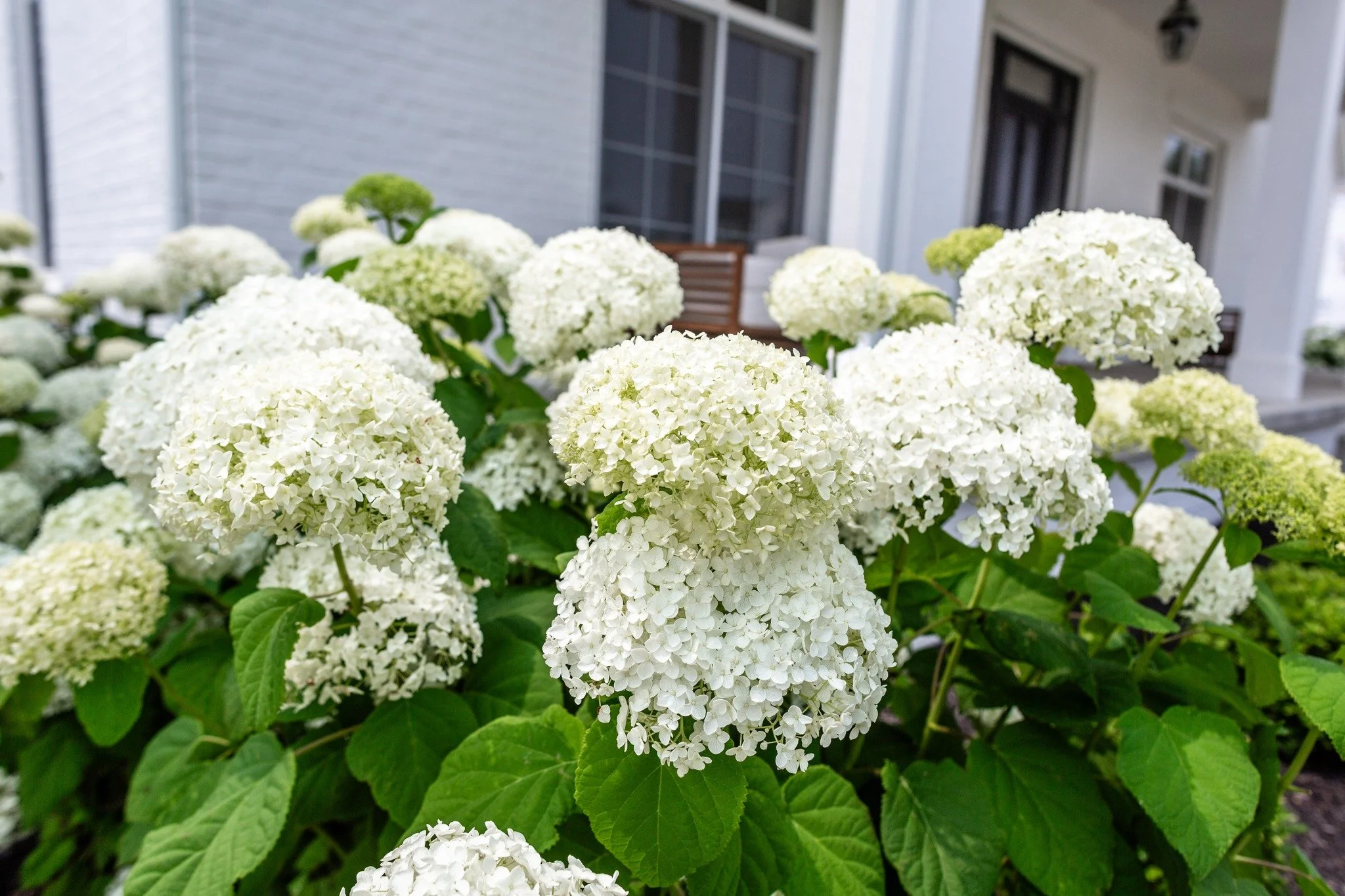
Garden Design for Play and Exercise
Each family has unique needs for their home and their pets, but one thing is sure: all dogs need a pet-safe space to play, roam, and sniff.
Create a backyard area that is conducive to all the curiosity your pets crave. Dogs need room to explore, so having open lawn space, a variety of terrains for them to experience —like gravel, mulch, or artificial grass —or a pocket in the fence for your pets to see beyond their kingdom are examples to consider.
However, dogs aren't the only pets that like outdoor time. It's become more common for pet owners to allow their cats outside to enjoy fresh air. Having ample trees or climbing structures can significantly improve their happiness and their confidence.
Plants Poisonous to Your Dog
Understanding which plants are poisonous to dogs lurking in familiar landscapes could literally save your companion's life.
Many of the staple landscape staples contain toxins that, if ingested, range from an upset stomach to life-threatening illness. Azaleas, rhododendrons, and oleander rank among the most dangerous, yet they appear in countless yards due to their beautiful blooms.
Sago palms deserve special mention because every part proves extremely toxic, even in small quantities. Even some vegetable garden staples pose problems, like onions, garlic, and chives.
Before selecting vegetation, research thoroughly or consult with a veterinarian. Be sure to consult a landscape expert to help remove and relocate any hazardous plants from your existing landscape design. Remember that curious puppies sometimes chew plants they'd usually ignore, so complete removal provides the safest solution.
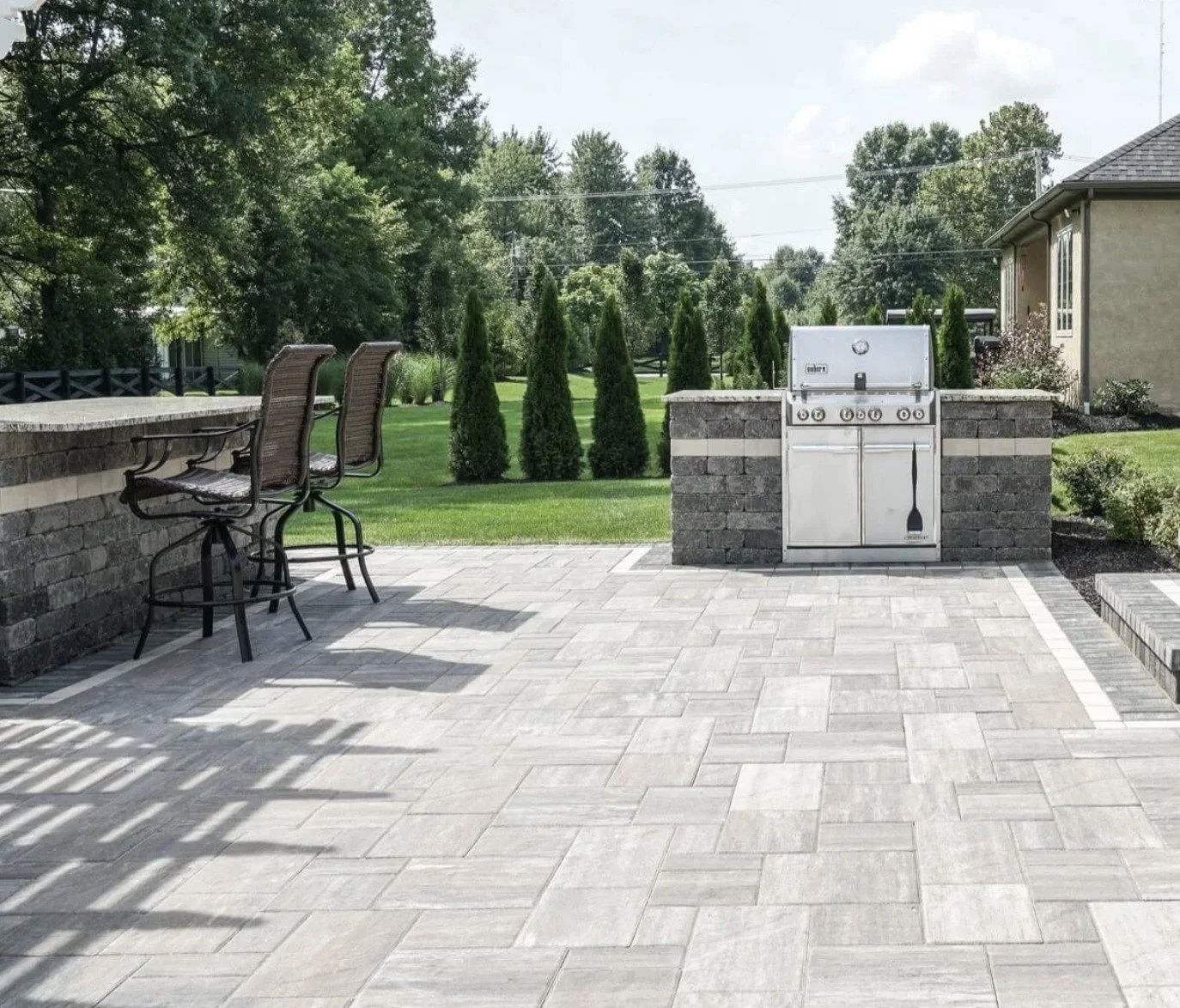
Adding Features You and Your Pet Will Enjoy
Thoughtful landscape features enhance enjoyment for both human and animal family members. An outdoor lounge area with comfortable seating lets you supervise play sessions while relaxing. Built-in storage benches serve double duty, providing seating while hiding toys and supplies.
Raised garden beds offer a practical solution for maintaining plants and vegetables while keeping them out of reach of curious noses and clumsy paws. The elevation prevents most dogs from accessing your prized specimens while making care routines easier on your back.
A doghouse or a covered shelter gives outdoor pets a retreat during inclement weather. Even if your companions live primarily indoors, having an outdoor refuge gives them options during lengthy outdoor sessions. Modern designs complement your home's style beautifully.
Artificial Grass: A Pet-Proof Lawn
Artificial grass is a wonderful way to provide your dog with the enrichment of grass, with less mess and less upkeep. A lawn with regular grass is incredibly time-consuming to maintain. It requires constant mowing, fertilizing, and watering to keep it looking nice. For individuals who just don't have the time or patience to keep the landscape looking its best, consider artificial grass.
With fake grass, durability is a factor that regular grass cannot match. If you have a large dog, multiple dogs, or just a high-energy pet, the durability of fake grass exceeds the lifespan of homegrown grass. Additionally, it will be less of a burden on your pockets, as it takes much less water to maintain and produces little to no mud, keeping those paw prints off your furniture and floors indoors.
How to Protect Your Pet and the Planet
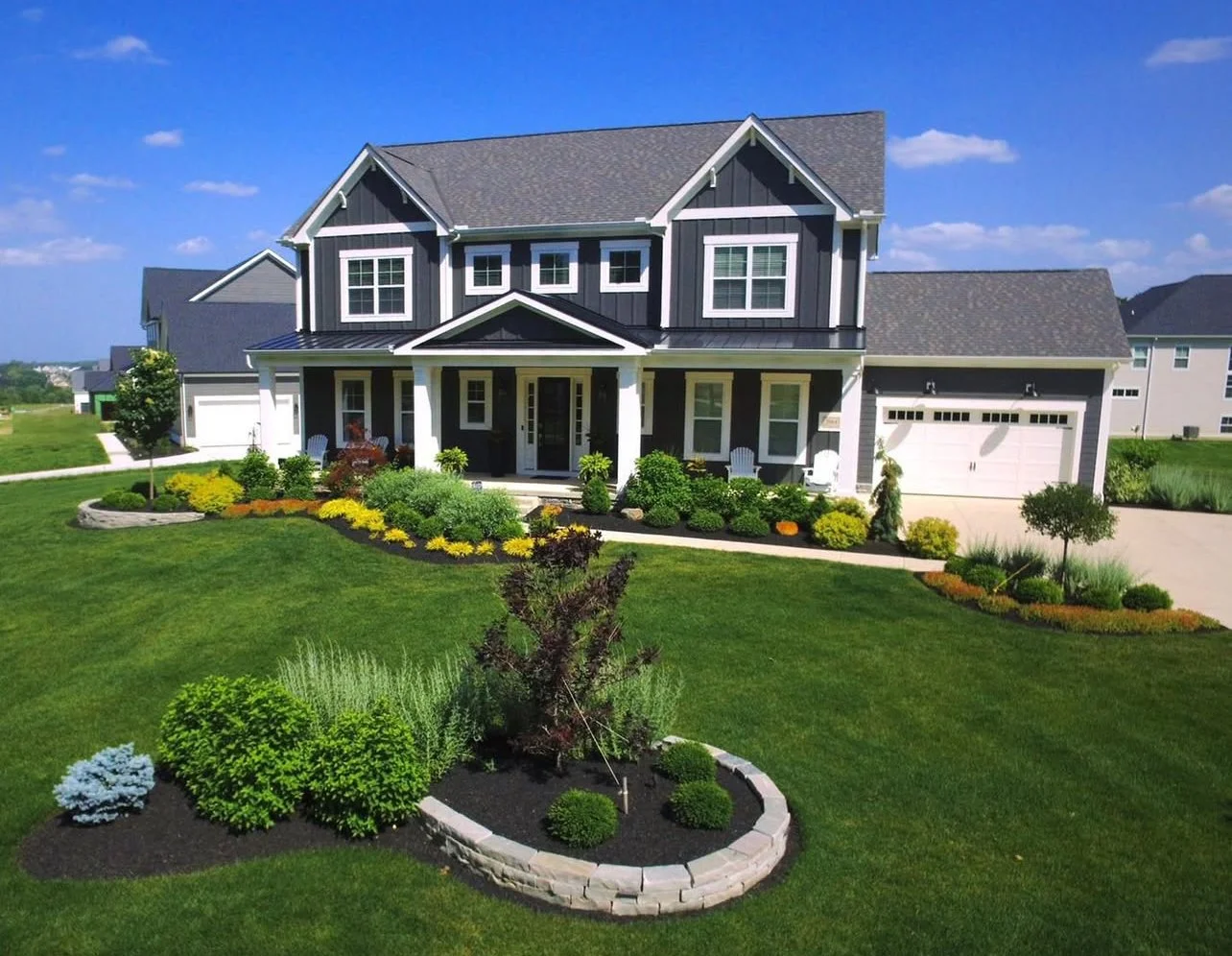
A landscape that is pet-friendly and good for the environment is one and the same. Most living things feed off an ecosystem that is divinely intertwined. We have already discussed the plants that are poisonous to your pet, but considerations shouldn't stop there. Many mulches used in landscape design can be harmful to dogs, as can many fertilizers. Instead, consider using natural options like compost or old grass clippings.
The same goes for pesticides. While traditional landscape methods are often harmful to both pets and humans, there are safe options you can start implementing to ward off annoyances. Vinegar solution treatments and neem oil are the most common dog-friendly options, but don't forget to consult nature's balanced ecosystem as well. Research how you can plant vegetation combinations to naturally deter pests and bugs.