
When Do You Need A Retaining Wall For Your Property?
Does your property have a sloped yard or an area where water pools when it rains? This is a common problem that many people suffer from. A sloped yard doesn't just make the yard unsightly due to soil erosion and standing water, but it also makes the yard hard to use and unsightly to look at. Some property owners don't realize that a retaining wall is a simple wall that can help manage these problems, rendering your yard usable for recreation, gardening, or whatever your heart desires. We’ll discuss the function of a retaining wall, warning signs that your yard needs one, and how a well-placed retaining wall can add visual intrigue to your landscape design.
Understanding What a Retaining Wall Actually Does
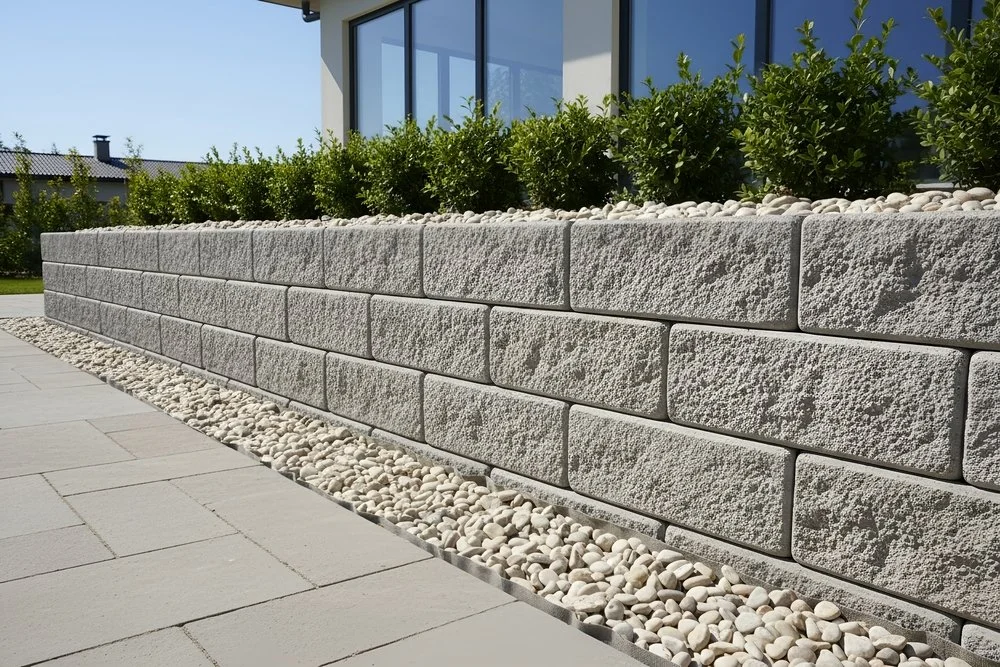
A retaining wall is a wall designed to bear the lateral soil pressure. Retaining walls help level the ground, prevent soil erosion on your property, and can provide structural support for landscape design. To those who are not familiar with retaining walls, they may just look like a normal decorative wall, but beneath the surface lie complex interworking of structural and drainage components to manage runoff water and stabilize soil. A retaining wall can be built with common materials like brick, engineered stone, timber, and concrete, or any other material that matches your landscape and home design.
Soil Erosion Is Costing You More Than You Realize
What is soil erosion? Soil erosion is the degradation of the top layer of soil due to environmental and weather changes. If your property has a sloped backyard, gravity may be causing soil erosion naturally. Excess water and wind can also accelerate soil erosion, and other problems, such as flooding and standing water.
You may not believe soil erosion to be a big problem, but left unattended, it can cause bigger issues. Soil erosion can cause foundation problems, destroy the land's biodiversity, and result in excessive maintenance and repairs. Here are a few signs to look for on your property that may warn you of soil erosion:
Exposed tree roots
Bald patches of lawn
Exposed soil, rocks, or sediment
Damaged garden beds and landscaping
That Sloped Yard Is Hiding Serious Outdoor Living Potential
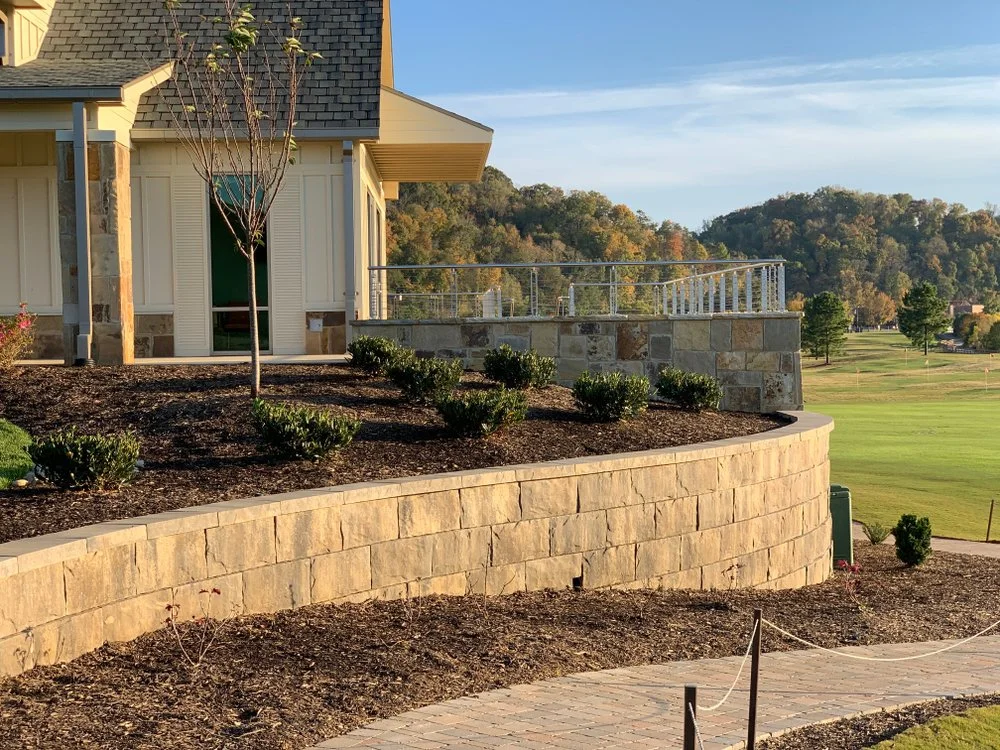
Does your yard have a steep slope? Backyards with steep slopes are often considered wasted space. And they are…but not in the way you think! Sloped yards have so much untapped potential for visual interest and usable outdoor space. Retaining walls are the answer to unlocking this untapped potential. A retaining wall transforms a slope into a flat terrace. The retaining wall will need to be constructed with water management and proper drainage in mind. Without it, the structure could collapse and still face water problems.
Risks of Water Pooling and Flowing Where It Shouldn't
After heavy rains, if you notice water pooling near the home's foundation, this could be a warning sign of a drainage problem. If you see water near the home's foundation, do not ignore it. If it remains unaddressed, it can cause structural support damage, basement leaks or dampness, and mold. Other signs you could have a standing water issue include a drenched yard long after a rain, and water crossing pathways and driveways. Consider reaching out to a landscape design company to discuss how a retaining wall can help solve your water issues.
Every Great Outdoor Kitchen and Patio Starts With Structural Support
Suppose you're looking to expand your outdoor living space with hardscape design. Before the design process begins, it's important to discuss structural support. The base of every well-designed outdoor space starts with support. Without support, the structures can shift when they settle, creating cracks in the materials. A retaining wall is no different. In fact, when you build a retaining wall in your yard, you're helping prepare the foundation for support of any outdoor additions you may want to add in the future.
Warning Signs of the Soil Around Your Home's Foundation is Shifting
If your home is experiencing soil erosion, you may be more likely to notice what is happening to your home than to what is happening with your yard outside. A few common signs include noticing doors and windows with gaps or sticking, visible ground movement, or cracks in the property's foundation. If your home is on a slope, the risks become even more important due to the natural pressure that weighs on the foundation from gravity.
The Right Retaining Wall Makes Your Whole Landscape Look Intentional
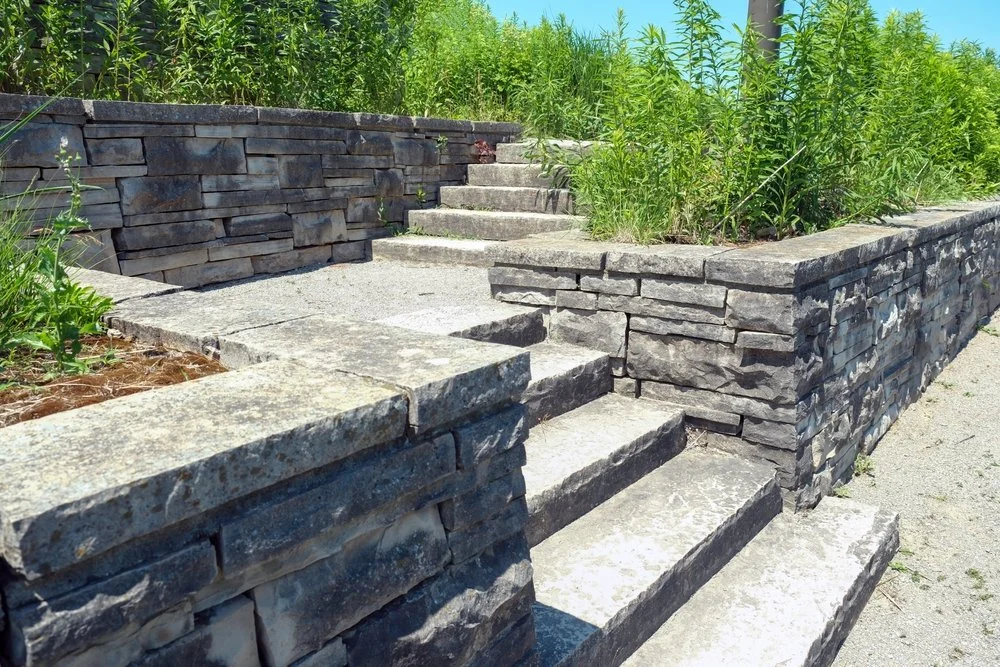
Despite the emphasis on how important retaining walls can be for functional support, not all landscape walls are retaining walls. Some walls are simply there as design choices. Some homeowners choose to install features like tiered garden beds for a number of reasons. Perhaps the raised beds are easier than bending over, or offer an easy focus point for their landscape design. Walls can also be constructed with your current landscape style in mind. Whether you want to match the wall to materials you are already working with or want to build a wall to stand out, Ciminello’s can help you achieve the look!
To learn more about retaining walls and view examples of our retaining wall work, please visit the retaining wall page of our website, here.