
How Does Craftsmanship Impact The Lifespan Of Paver Patios?
Professional Technique & Lifespan of Paver Patios
The nearly four decades of experience give Ciminello’s Landscaping a strong foundation for building and installing patios and other hardscape. Professional landscapers have the tools and experience to properly prepare an area for a paver patio. Base preparation is a vital step to the durability and longevity of a paver porch or patio. Every step of the paver installation process is crucial to ensuring the patio has a long lifespan and doesn’t experience unforeseen issues in just the first few years. With these professional installation techniques, paver patios can last up to 5 decades, resisting inclement weather and daily use. Paver landscaping can withstand wear that is typically the downfall of other materials. When compared to concrete, paver patios don’t suffer from cracking and can easily be replaced if one single paver is damaged. Pavers are also less likely to break from the ground shifting beneath them due to natural erosion or roots creating upward pressure.
How Drainage Factors into the Lifespan of Pavers
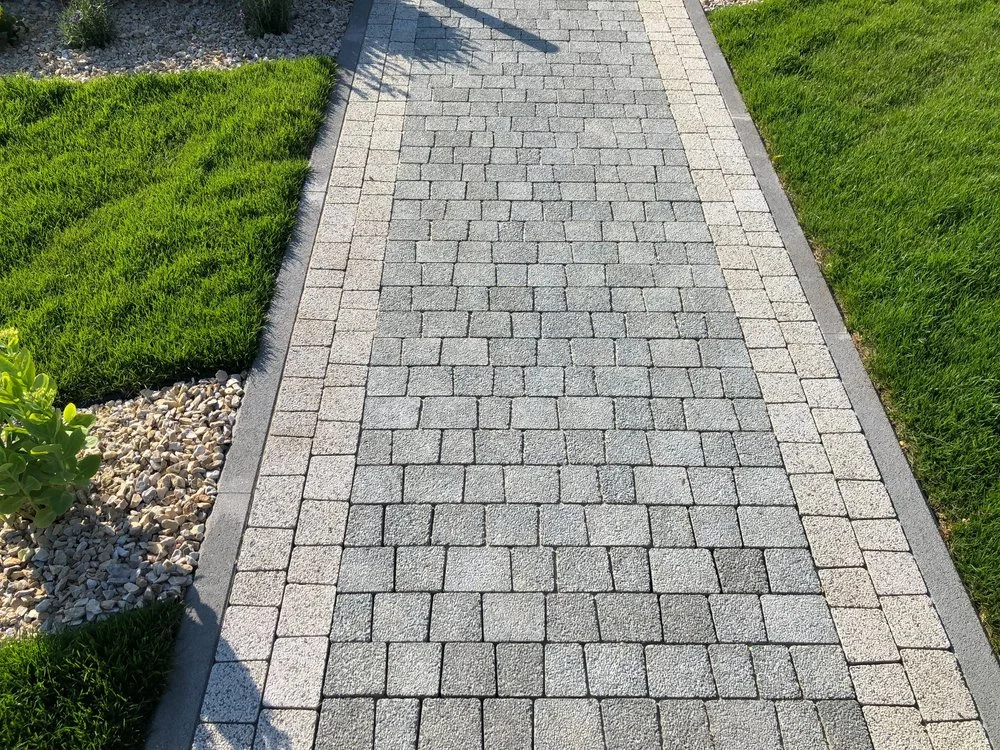
Regardless of whether you’re using pavers or pouring a concrete slab, repeated standing water causes erosion. This is especially damaging during the winter months because the water can freely seep into the permeable surface and freeze. We install specialized fabric that separates the substrate layers under the paves, which improves the overall drainage. With a proper slope of 1-2%, ponding should never occur. Sloping the paver design away from structures also keeps water away from the foundation of your buildings. This slope also prevents washouts from occurring and prevents the soil from being eroded over time. Proper drainage design also helps prevent frost heave, which can cause severe structural damage to concrete patios. Drainage is extremely important in Central Ohio and has a significant impact on the lifespan of patio pavers. The professional design team at Ciminello’s has extensive experience in landscape design that requires minimal maintenance while withstanding the harsh winter elements and physical wear.
The Drawbacks of DIY Paver Patio Installation
DIY installations become exponentially more difficult when the weight of the materials increases. Homeowners will need to have the materials delivered to their home ahead of the installation and will be required to store them until the process is over. DIYers will need to either rent or purchase tools to properly handle the installation; however, without professional-grade tools and training, errors are likely to occur. Any mistakes in the substrate, the base layers, the laying of the pavers, or any other parts of the installation may result in expensive fixes that would otherwise have been avoided.
The Importance of Soil and Base Preparation
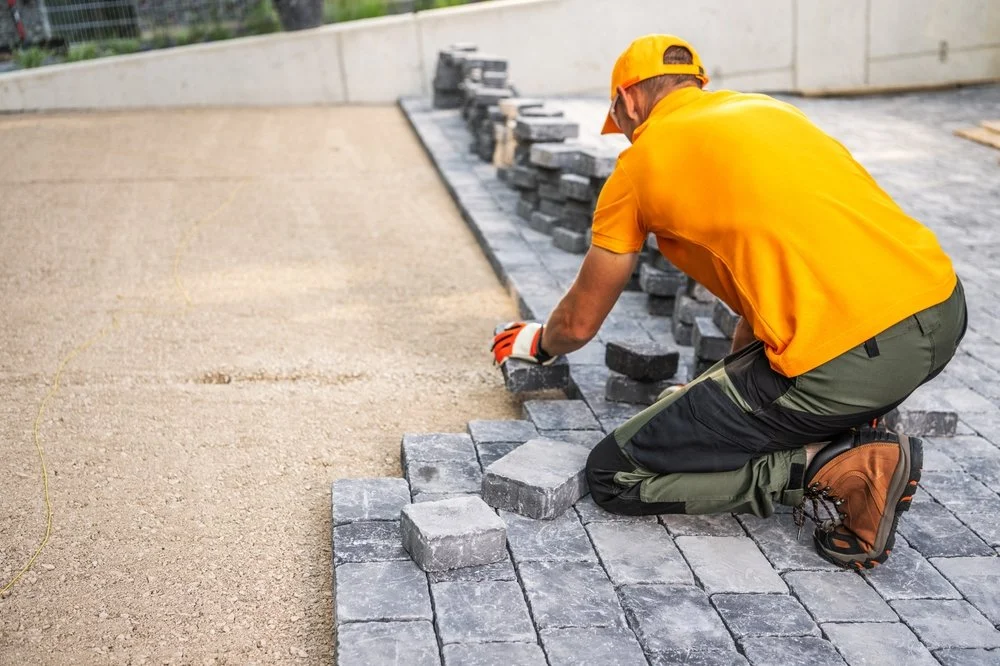
Preparing the base of the patio is a crucial step that is often overlooked by DIYers and amateur landscapers. When the installation of the patio base is done correctly, it will directly impact every paver and feature of the patio. The base impacts the design of the patio as well. With a strong base, the patio is less likely to shift and create an uneven surface. Without a permeable base layer, water will struggle to drain, causing issues over time. This applies during the winter when stagnant water will freeze atop the paver bricks and create a safety concern. The durability and longevity of paver patios are directly correlated to the base preparation. When a high-quality base is installed, the layer of paver bricks above will require less maintenance and repairs. With decades of expertise and training and professional-grade tools, our team creates a stable base that will keep your paver patio safe and secure for many years. If you’re interested in a professional patio installation, contact Ciminello’s Landscaping today and receive a free consultation.
The Lifespan of Pavers vs. Concrete
The segmented nature of a paver design allows for slight movements in the patio without causing significant damage. Large slabs of concrete don’t have the same advantages that paver patios have. With concrete, shifting of the ground will commonly result in cracks and potentially potholes. Sealing concrete can help prevent the freeze-thaw cycle from causing damage, but over time, the porous material will become more susceptible. The installation of pavers is customizable for each client to ensure they receive the best design that fits all of their needs. We believe that landscaping should work with your home and lifestyle. Incorporating hardscape features like paver patios can promote natural drainage on your property. Concrete slabs lack the drainage potential that automatically comes with using pavers, stones, or other similar segmented materials. Check out our Paver Patios section to learn more about custom designs, the benefits of pavers, and schedule a consultation.
Maintaining a Paver Patio
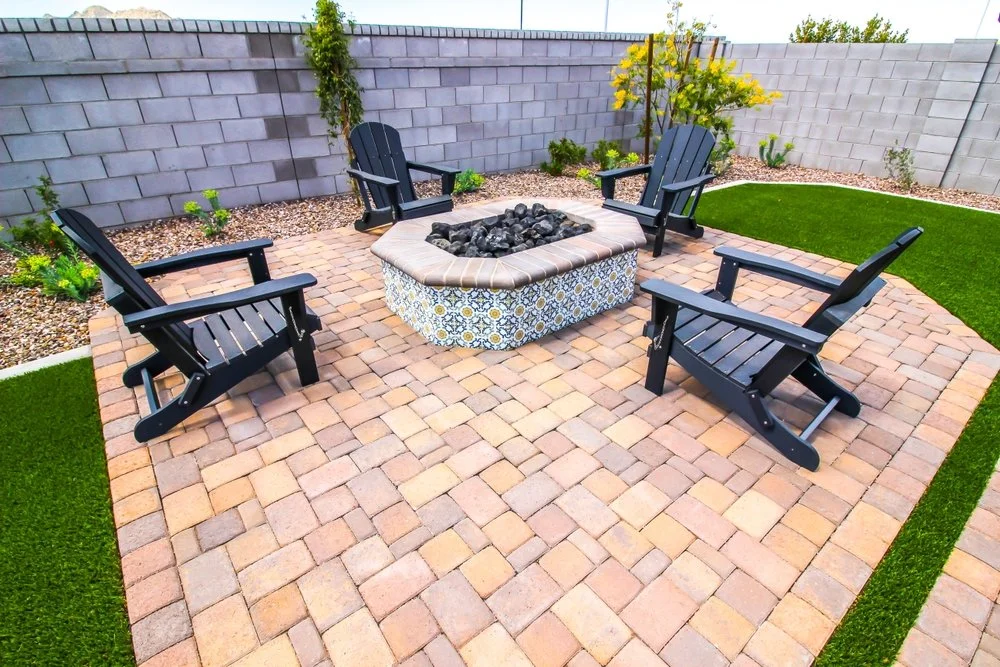
The key to making pavers last a lifetime is proper maintenance. The design of pavers allows us to service individual bricks or sections, relaying them after doing subsurface repairs, and replacing any pavers that are damaged from impacts or load pressure. A paver patio can last twice as long as a concrete patio. Concrete comes at a lower price point upfront, but will need more serious maintenance and repairs if you plan to keep it for several decades. Pavers, on the other hand can last as long, if not more with minimal repairs. Reach out to Ciminello’s to learn more about our paver installation work and patio maintenance services.
A Patio Built to Withstand Ohio Winters
Ciminello’s Landscaping has spent nearly four decades designing and installing landscaping and hardscape across central Ohio, and our expertise has only grown. When we build a patio, we understand the significance of designing for the local weather. The freeze-thaw cycle occurs annually in Ohio when the temperature fluctuates above and below 32 degrees. When water freezes and expands, it can cause serious damage to stones, concrete, and other materials. The structural integrity of the materials weakens over time as the freeze-thaw cycle creates small fractures. This gets worse over time, reducing the lifespan of the materials and greatly weakening the durability. Factors like implementing a proper base, ensuring sufficient drainage, and executing a standard slope can be the difference in expected longevity and premature deterioration. Pavers are one of the most freeze-thaw-resistant patio styles because of their natural drainage. Patio pavers are spaced slightly apart, and the space between them acts as natural drainage. Design is a fusion between the style and the function, and the award-winning designers at Ciminello’s blend these two qualities perfectly.